







Search Results for: bittersweet with a sweet finish
Espresso Specialty Coffee Beans Recommendation | Why Are Espresso Coffee Beans Mostly Dark Roasted? Introduction to Espresso Extraction Principles, Brewing Methods, and Coffee-to-Water Ratio
Generally speaking, the beans used for espresso are roasted to a medium or medium-dark level or darker, because espresso is not only used to make black coffee but also used to make lattes, flat whites, mochas, and other specialty coffee drinks. If the roast level is too light, not only will there be little crema, but the coffee's flavor can easily be [more…]
Espresso Coffee Bean Brand Recommendations | What Are Espresso Blend Beans? What Types of Espresso Beans Are There? How to Choose Espresso Beans for a Semi-Automatic Espresso Machine?
Whether enjoyed on its own or as part of an espresso-based drink, a good, balanced espresso is the first requirement. However, to create an espresso with balanced acidity, body, and sweetness, you need to start with the right coffee beans—blending beans from different origins together. About Espresso Beans [more…]
How to Choose Espresso Beans? Extraction Principles and Five Highly Cost-Effective Front Street Coffee Blends
Why are espresso beans generally roasted darker? What special requirements does espresso extraction place on coffee beans? Starting from roast level and extraction principles, this article systematically sorts out the bean selection logic for espresso beans and presents five Front Street espresso blends that combine value for money with flavor performance. Whether used for drinking straight as espresso or for making lattes, flat whites, mochas, and other milk-based coffee drinks, readers can find an option that suits them. The article introduces in detail each bean's origin composition, flavor characteristics, and suitable applications, helping coffee enthusiasts and cafe owners make quick decisions. [more…]
Specialty Espresso Coffee Beans | How to Choose Good Espresso Beans for Your Coffee Machine? Recommended Everyday Espresso Beans for Cost-Effective Espresso Machines
Whether enjoyed as a straight shot or as the base of a milk-based espresso drink, a good, balanced espresso is the first requirement. However, to create an espresso with balanced acidity, body, and sweetness, you need to start with the right coffee beans—blending beans from different origins together. About Espresso Beans [more…]
Commercial Espresso Bean Recommendations | How to Blend Espresso Beans? What Are the Techniques for Roasting Espresso Blends? Which Espresso Beans Are Suitable for Café Service?
Whether enjoyed on its own or as part of an espresso-based drink, a good, balanced espresso is the first requirement. However, to make an espresso with balanced acidity, body, and sweetness, you need to start with the right coffee beans—blending beans from different origins together. Although single-origin [more…]
Analysis of the Flavor Characteristics of Medium-Roast Espresso Beans, and Why Espresso Blends Are Chosen for Making Espresso
To make an espresso that balances acidity, sweetness, and bitterness with a full-bodied mouthfeel, choosing the right beans is a key step. Single-origin coffee beans, while excelling in pour-over brewing, often struggle to meet espresso's demand for complexity, so blended beans become the top choice for most roasters. This article will start with the definition and characteristics of Italian-style blended beans, analyze the differences between the two processes of raw blending and roasted blending, and combine several classic blend products from Front Street Coffee to help you understand the taste characteristics of medium-roast Italian-style beans, and why Italian-style blended coffee beans should be chosen for making espresso. [more…]
How to Choose Espresso Beans? Blends vs. SOE Differences and a Guide to Four Front Street Coffee Espresso Bean Recommendations
To make an espresso with a balanced mix of acidity, sweetness, and bitterness, choosing the beans is the first step. Espresso beans mainly fall into two categories: SOEs that highlight a specific region's flavors, and blends that aim for a balanced taste—most cafés go with the latter. The reason is that blends can make up for the shortcomings of a single origin's incomplete flavor profile, while also keeping the taste consistent year-round. When it comes to roasting, blends follow two paths—pre-blending raw beans or post-blending roasted beans—each with its own trade-offs. Front Street Coffee offers four blends for different needs: Sunflower Warm Sun, Specialty Blend, Commercial Blend, and Black Cocoa Blend, each suited to different shops and home scenarios. This article will walk you through all of this systematically to help you find the espresso bean that's right for you. [more…]
How Should Coffee Shops Choose Espresso Beans? Differences Between Commercial Beans and Specialty Beans, Plus Front Street Blend Recommendations
When opening a coffee shop, which should be considered first: the espresso machine or the coffee beans? This article focuses on the choice of coffee beans. A café's positioning directly determines the direction of bean selection: if cost control is the priority, ordinary commercial beans can be used; if the goal is beverage quality, specialty coffee beans are recommended. The article sorts out the approach to bean selection based on positioning, compares the core differences between specialty beans and commercial beans in terms of quality and price, and provides the accounting logic from a business perspective. It also retains product information from the Front Street brand, including the Dark Cocoa Blend, Commercial Blend, Specialty Blend, and Strawberry Candy Espresso Blend, to help coffee enthusiasts and shop owners make clearer choices. [more…]
In-House Roasting Café Green Bean Sourcing and Inventory Management in Practice: Cost Control, Partnership Strategies, and Espresso Blend Bean Selection Guide
For a coffee shop that roasts its own beans, having the roaster in place is only the starting point; what truly determines the quality of the final product is the quality of the green beans and the roasting craft. Green bean costs often account for a significant proportion of initial operating expenses, so how to choose the right items, control inventory, maintain stable supply, and leverage peer cooperation to lower the threshold for acquiring specialty beans is a challenge every operator must face. Starting from the cost structure of green beans, this article sorts out the three major purchasing points for basic espresso blend beans, explores the value of establishing horizontal partnerships, offers practical suggestions for display and storage, and finally includes flavor descriptions of several Front Street espresso blend beans for coffee shops with different positioning to reference when selecting beans. [more…]
How to make espresso blend beans? Roasting techniques for raw blending and post-roast blending, plus four recommended medium-roast espresso beans
A balanced espresso requires acidity, body, and sweetness in equal measure, and it all starts with choosing the right coffee beans. Single-origin beans are certainly appealing in pour-over, but when used for espresso they often lack complexity, which is why blending beans from different origins is common practice. This article focuses on espresso blends, first explaining what blended beans are and their characteristics, then taking a deeper look at the pros and cons of the two roasting approaches—"blending raw beans" versus "blending roasted beans"—and the scenarios each suits, and finally sharing four medium-roast espresso blends that Front Street Coffee has launched based on practical needs, including Sunflower Warm Sun, Specialty Blend, Commercial Blend, and Dark Cocoa Blend, introducing each one's recipe ratios, blending method, and flavor performance, for the reference of coffee enthusiasts and coffee shops. [more…]
Espresso Tasting | Which specialty coffee beans make good-tasting espresso? What are the ways to drink Italian-style espresso?
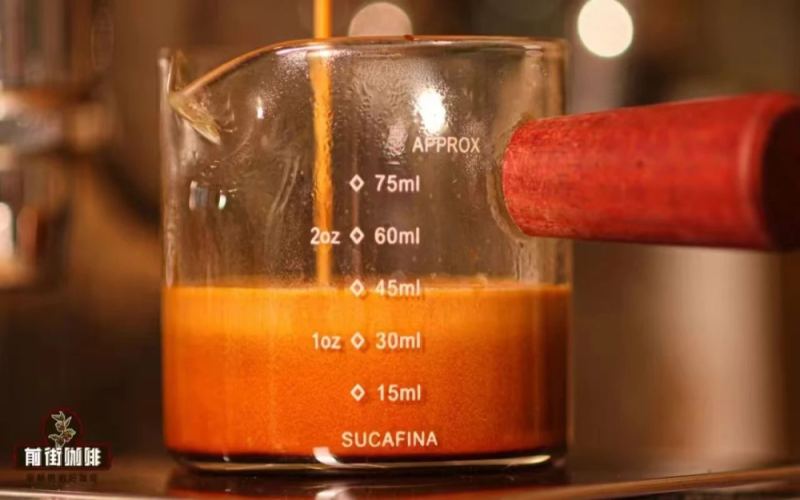
For more specialty coffee knowledge, please follow: Front Street Coffee (Frontsteet Coffee) Espresso has always been known as the "soul of coffee"! However, because Espresso has a rich mouthfeel and strong flavor, it is often hard for people to accept. But once [more…]
How Do Espresso Blends Differ from Pour-Over Single Origins? A Comprehensive Analysis from Definition and Roasting to Front Street Coffee's Four Classic Blend Recipes
Coffee beans on the market can be broadly divided into two camps: single-origin and blends. The former emphasizes pure traceability from a single region, while the latter pursues balance and consistency of flavor through combining multiple origins. This article begins with definitions, sorting out the essential differences between single-origin beans and blend formulas, then expands into the goals that must be clarified before blending, the role division of each bean type, and the principles of bean selection and ratio control that should be followed. At the same time, drawing on four classic blends from Front Street Coffee—Sunflower Warm Sun, Specialty Blend, Commercial Blend, and Dark Cocoa Blend—it explains each bean formula's composition, flavor direction, and suitable scenarios, helping coffee enthusiasts understand the logic behind blending and also providing a reference for purchasing espresso beans. [more…]

Principles of Blending Coffee Beans | What Are Blended Beans? What Is the Difference Between Espresso Blend Coffee Beans and Single-Origin SOE Beans? How Do You Blend Coffee Beans?
Many people don't understand how blended coffee beans are formulated. Now Front Street Coffee (FrontStreet Coffee) will guide you through the concepts behind blended coffee beans and how to blend coffee. For more specialty coffee knowledge, please follow our WeChat official account: Front Street Coffee (FrontSt [more…]
An Analysis of Indonesian Mandheling Coffee Flavor Characteristics and a Reference Guide for Selecting Specialty Bean Brands from the Sumatra Region
Mandheling coffee is a classic single-origin coffee from Sumatra, Indonesia, renowned for its rich, full-bodied flavor with a bittersweet finish. Before Blue Mountain coffee became famous worldwide, it was once regarded as one of the finest coffees on the planet. This article will systematically review Mandheling's growing regions, flavor characteristics, and grading background, with a focus on core production areas in northern Sumatra such as Lintong and Mandheling. For enthusiasts looking to get their hands on Indonesian Mandheling coffee beans, choosing a brand is often a major challenge. This article will also incorporate product information from Front Street Coffee to offer practical brand selection advice, helping readers gain a clearer understanding of this representative Asian coffee. [more…]
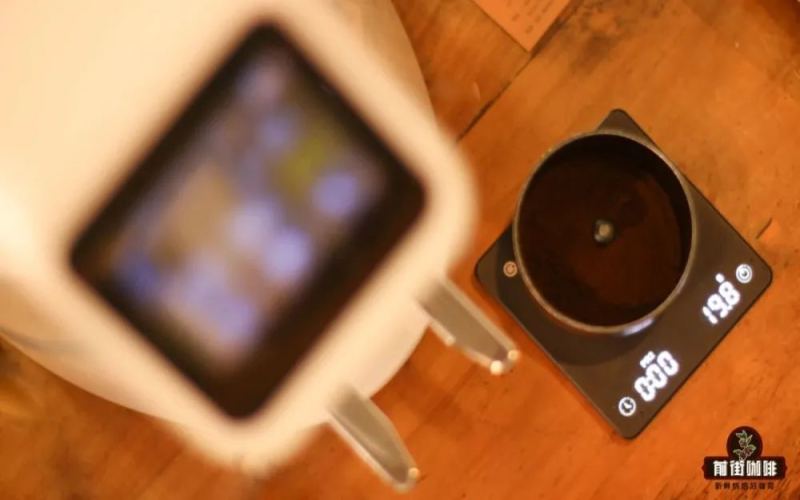
Espresso Coffee Beans | Why Blend Coffee Beans? What Do Raw Blending and Roasted Blending Mean? What Should Be Noted When Blending Coffee Beans?
Many people don't understand how blend beans are formulated into a blending plan. Now Front Street Coffee will guide you through the ideas behind blending coffee beans and how to blend coffee. The reasons and purposes for blending: people need to combine coffees from different origins for several different purposes. The most ideal purpose, of course, is to blend a kind of flavor [more…]
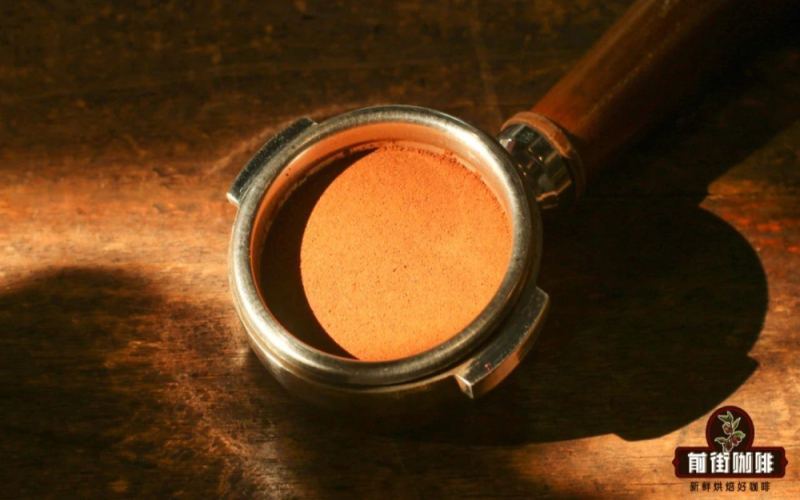
Introduction to Coffee Blending: Blending Objectives, the Difference Between Raw and Roasted Blending, and a Flavor Analysis of Front Street Coffee's Four Espresso Blends
For friends who are new to coffee, the formula logic behind blended beans often seems mysterious. This article, from the perspective of Front Street Coffee, systematically sorts out the purpose and commercial considerations of blending, the order of blending and roasting, the specific steps and principles of blending, and introduces one by one the four blended coffee beans launched by Front Street—Sunflower Warm Sun, Specialty Blend, Commercial Blend, and Dark Cocoa Blend—covering ratios, blending methods, and flavor characteristics, helping coffee lovers build a complete cognitive framework for blended coffee. [more…]
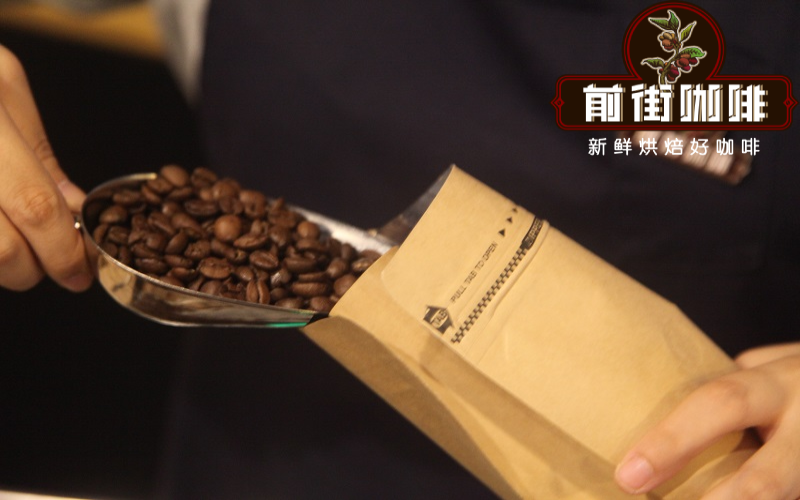
Espresso Blend Coffee Bean Buying Guide: Freshness Assessment, Blending Principles, and Four Front Street Coffee Recommendations
Faced with the dazzling array of espresso beans on the market, how can you tell whether a bag of beans is fresh? What exactly makes blended beans better? Front Street Coffee has systematically sorted out the key points for selecting and using espresso blend beans, from identifying freshness and the principles of blending to actual in-store output. The article introduces four espresso blend beans currently sold by Front Street, covering different flavor profiles and suitable scenarios, and includes a six-step espresso extraction demonstration using Sunflower Warm Sun Blend as an example, for the reference of coffee professionals and enthusiasts. [more…]
Double Espresso Extraction Ratio | How Much Coffee Grounds Are Needed to Make Espresso? What Is the Espresso Coffee-to-Water Ratio? Which Coffee Beans Are Suitable for Espresso Extraction?
For more specialty coffee knowledge, please follow: Front Street Coffee (Frontsteet Coffee). Espresso has been around for quite some time now; it is the pride of Italians and also a cultural asset that Italian coffee has brought to the world, feeling somewhat similar in nature to what Ethiopian varieties represent for [more…]
Espresso Brewing Parameters Explained: Dose, Time, Grind Size, and Ratio, with Budget Bean Recommendations for Office and Home
Espresso is the foundation of the Italian coffee system; whether it's a cappuccino, a latte, or a mocha, none can do without a properly extracted espresso base. This article provides a detailed breakdown of the dose, extraction time, liquid yield, and brew ratio parameters for single and double espressos, and explains how to adjust the grind size and use the basket's reference line. At the same time, for office and home scenarios, it introduces four espresso blend coffee beans with different positioning, covering classic blends, specialty blends, commercial blends, and dark cocoa blends, and offers recommendations for the espresso-to-milk ratio and blending in latte coffee, helping coffee enthusiasts find the everyday beans and brewing method that suit them. [more…]
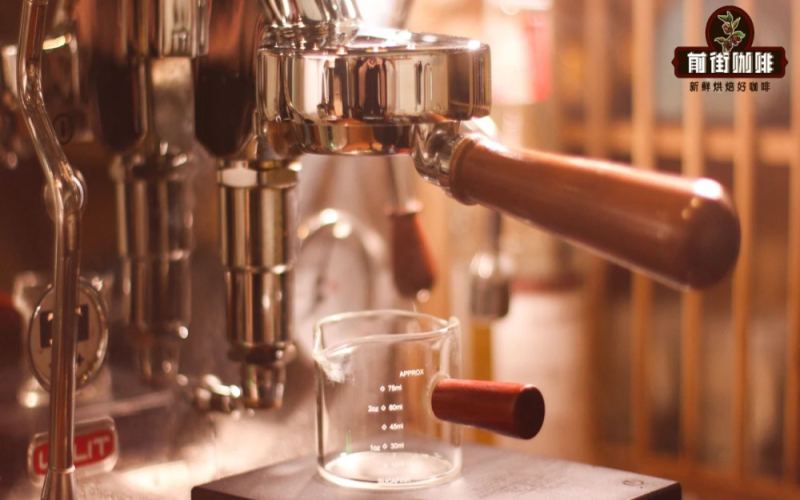
Espresso Bean Blending Guide | How to Judge the Freshness of Coffee Beans? Why Blend Coffee Beans? How to Extract Espresso at Home?
For more specialty coffee knowledge, please follow the WeChat official account: Front Street Coffee (FrontStreet Coffee). When it comes to choosing espresso beans, Front Street Coffee (FrontStreet Coffee) first pays attention to the freshness of the beans, and then to the [more…]